History
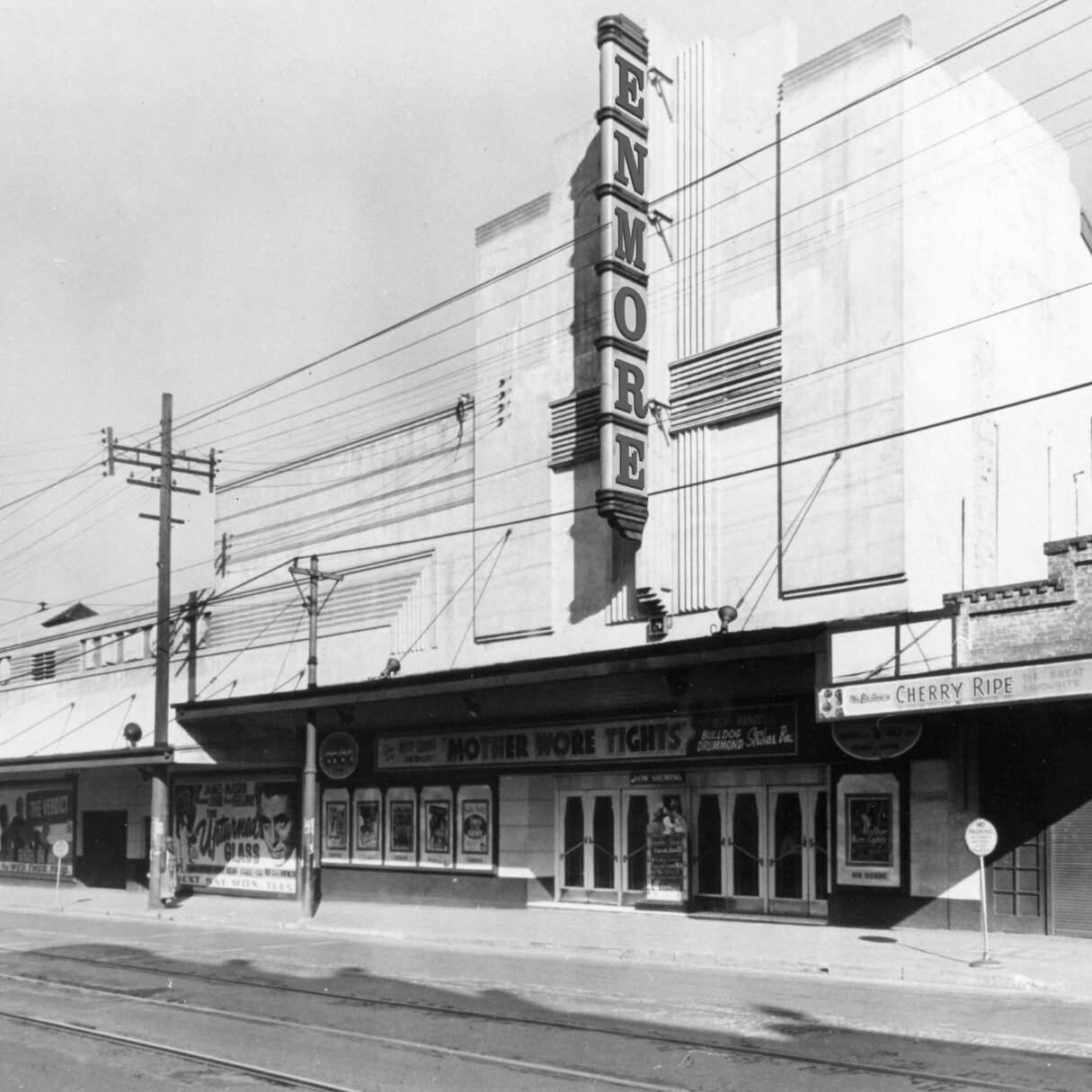
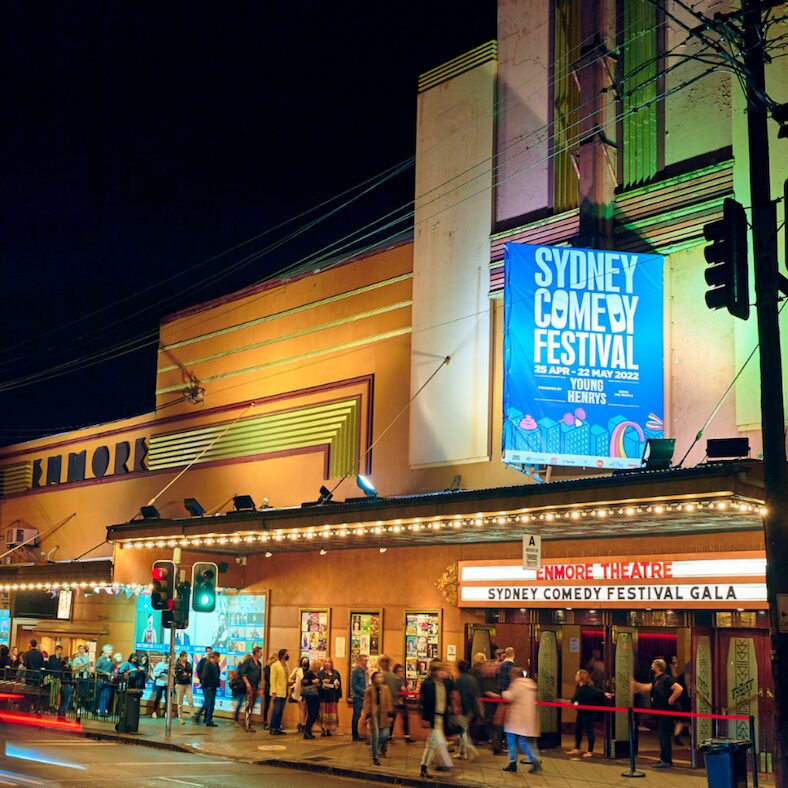
The Enmore Theatre holds a distinctive place in Sydney’s social, cultural and theatrical history.
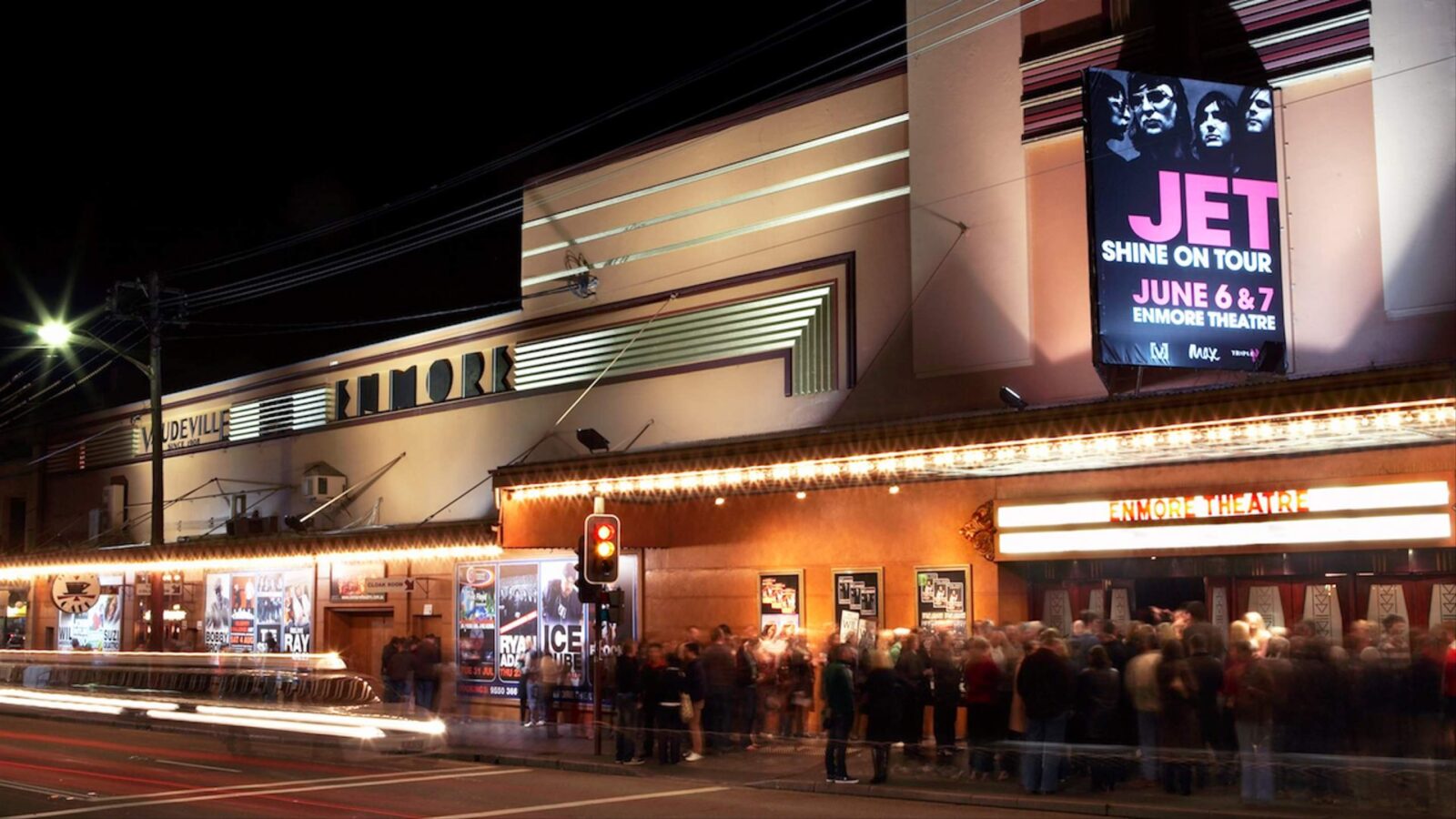
Over more than a century, the building has evolved through changing architectural eras, incorporating elements of Art Nouveau, Edwardian, Art Moderne and Art Deco design.
Unlike many of Sydney’s historic theatres, the Enmore survived periods of major redevelopment and demolition. As venues such as the Regent, Capitol and Paris theatres were lost or closed, the Enmore’s scale, staging capabilities and heritage character became increasingly significant to the city’s live entertainment landscape.
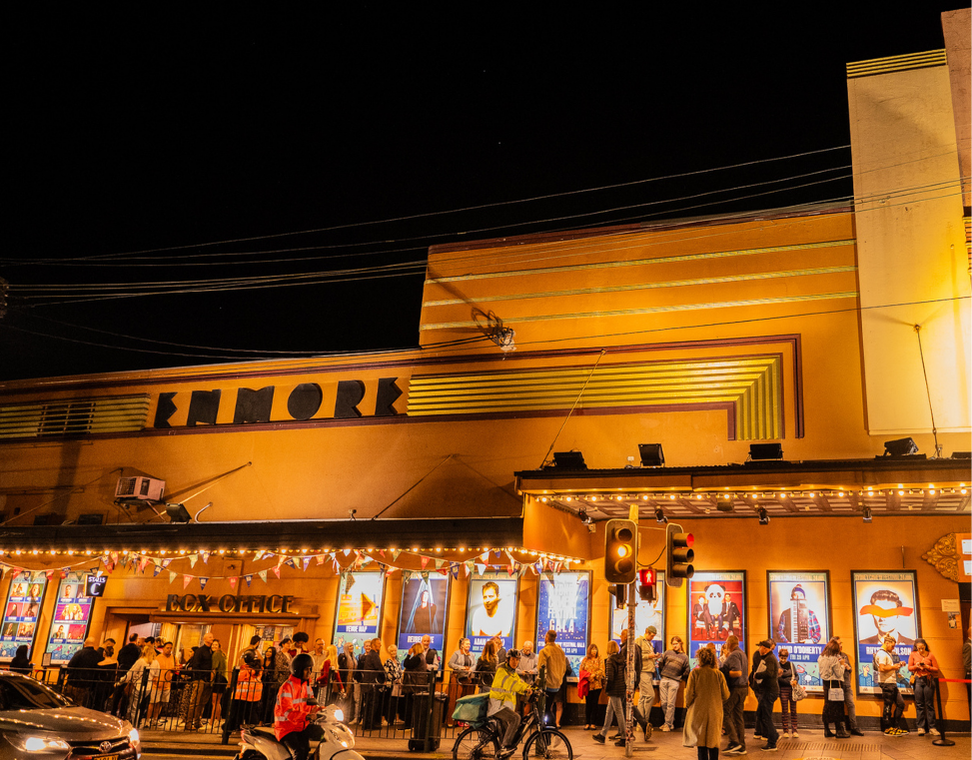
Today, the Enmore remains one of only two surviving Sydney theatres from the Art Deco movement, and the only one to remain in its original condition.
The theatre is also classified by the National Trust and listed in the Historic Buildings Register of the Australian Institute of Architects.
The First Flicker
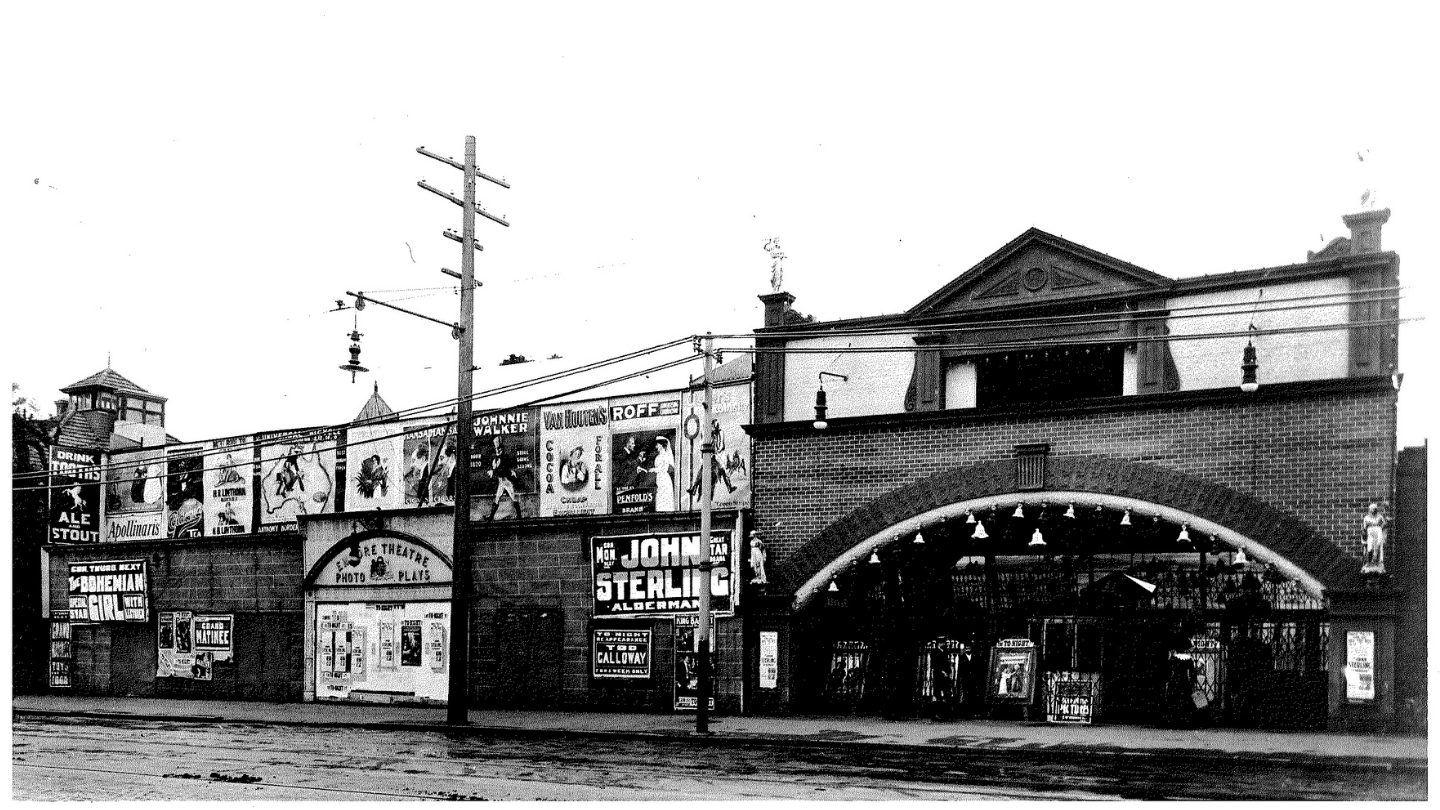
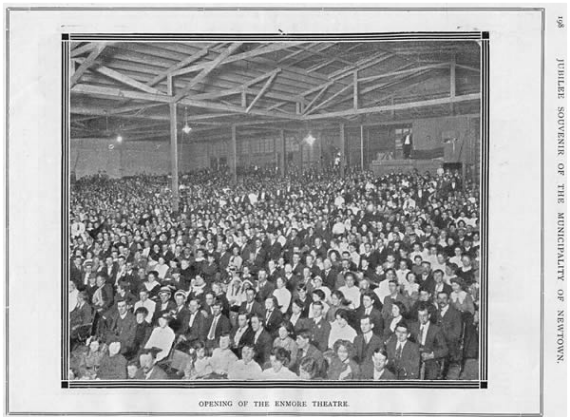
Originally built in 1908 and opened to the public as an open-air tin-clad photo-play theatre in 1912, The Enmore and pioneering showmen, the Szarka brothers commenced a succession of sold out performances and remarkable success.
From Picture House to Theatre
The Great Influenza pandemic brought enormous disruption to Sydney and its entertainment industry.
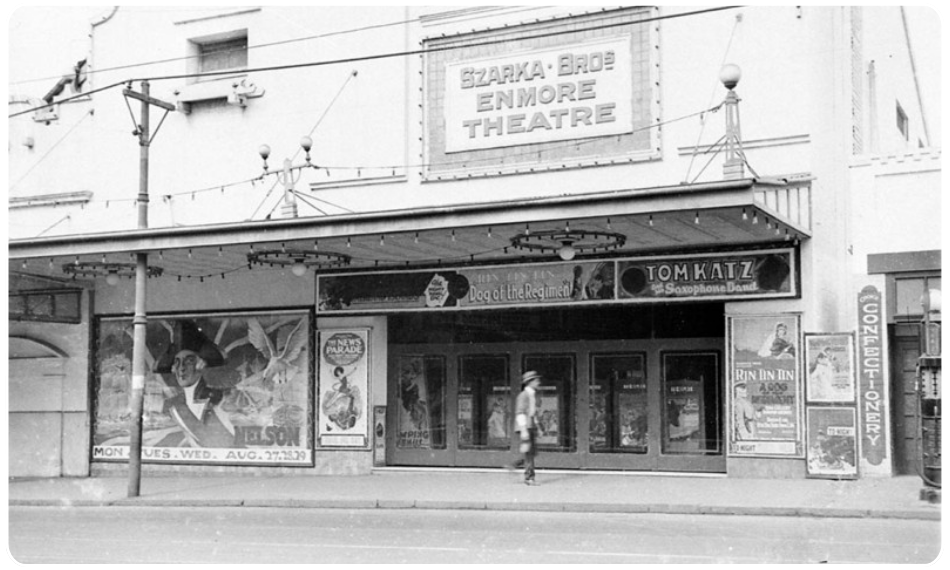
In its aftermath, the Enmore underwent a major transformation, reopening on 1 July 1920 as a grand new theatre with a striking Palladian-style façade.
Designed by Kaberry and Chard, the rebuilt venue featured Spanish Mission-style architecture, private boxes and a program spanning film, live music and vaudeville.
The Enmore was no longer simply a place to see a film — it had become a complete night out and an important part of the social life of the local community.
Art Deco Showplace
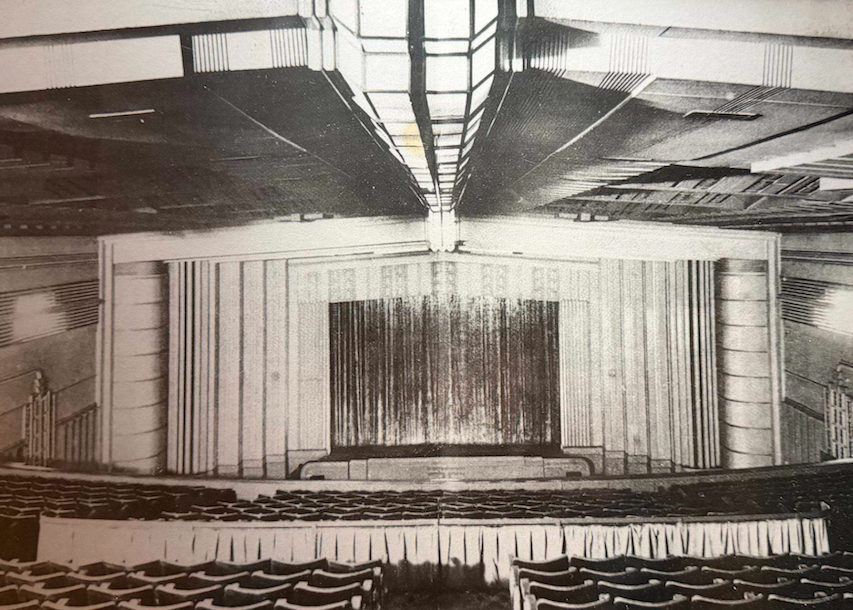
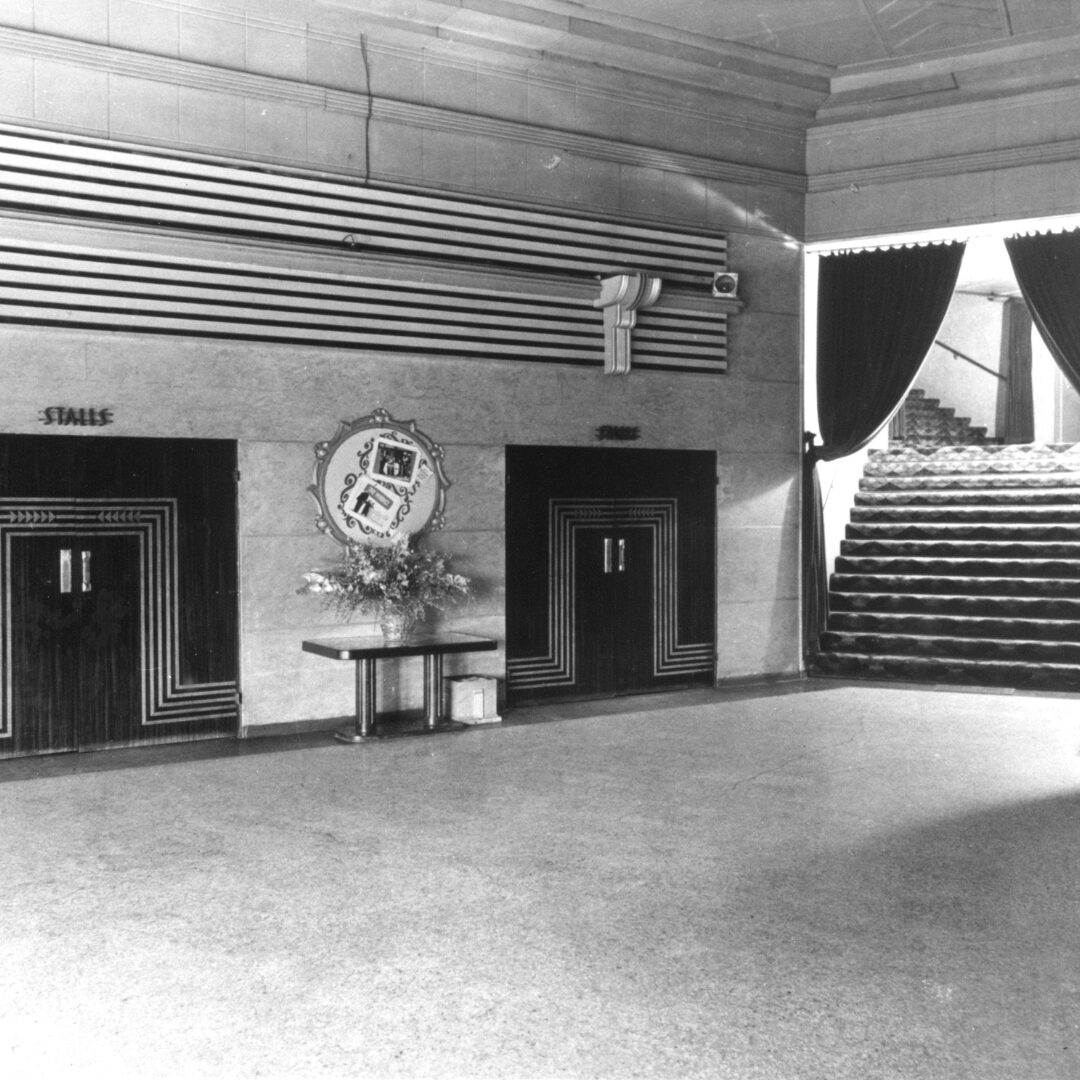
Hoyts closed the Enmore and began an extensive modernisation of the entire building with renowned architect Charles Bohringer.
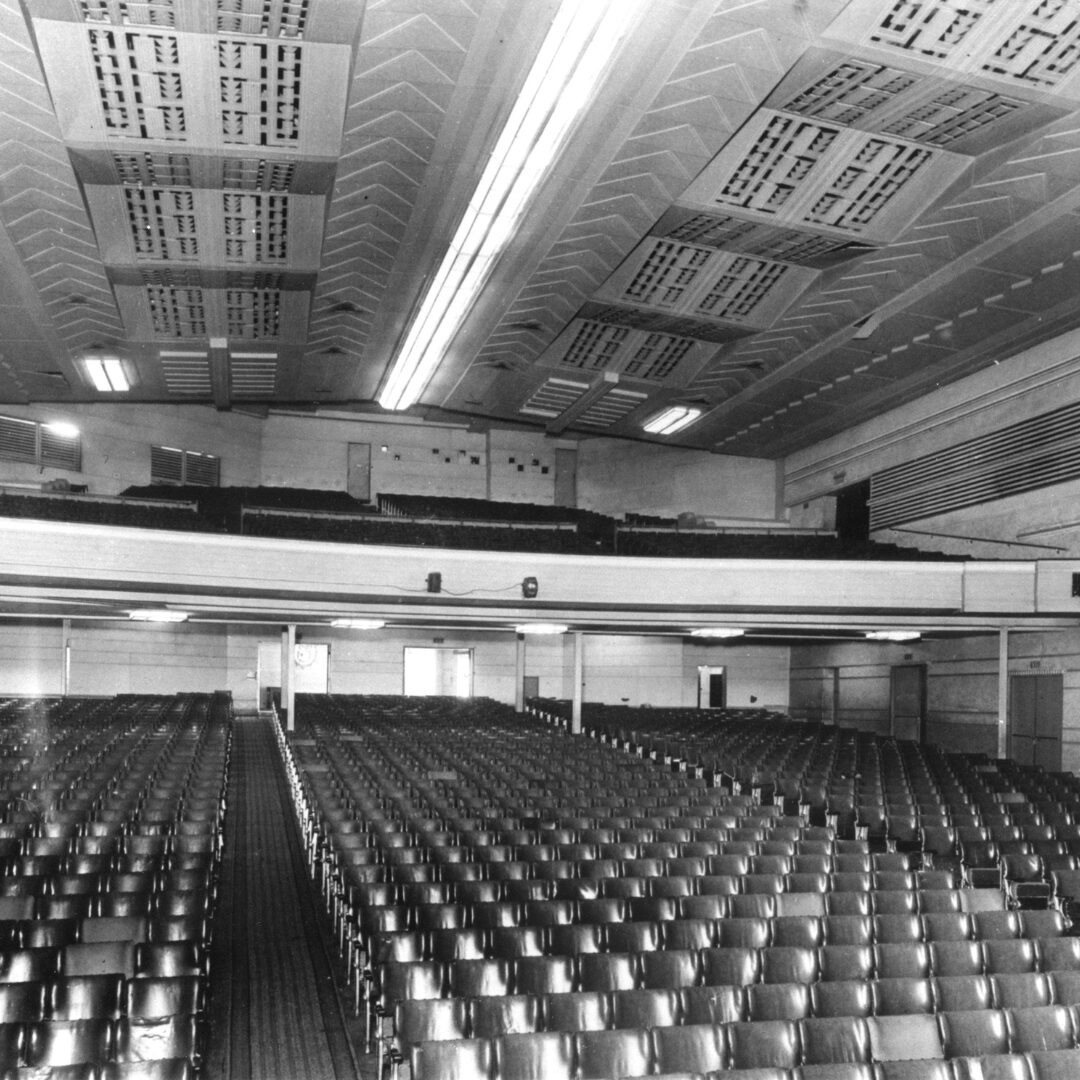
The theatre re-emerged as a “large art deco showplace”, with a newly renovated stage, increased stage flying capacity, new façade, interior and décor.
Newtown’s Golden Age of Cinema
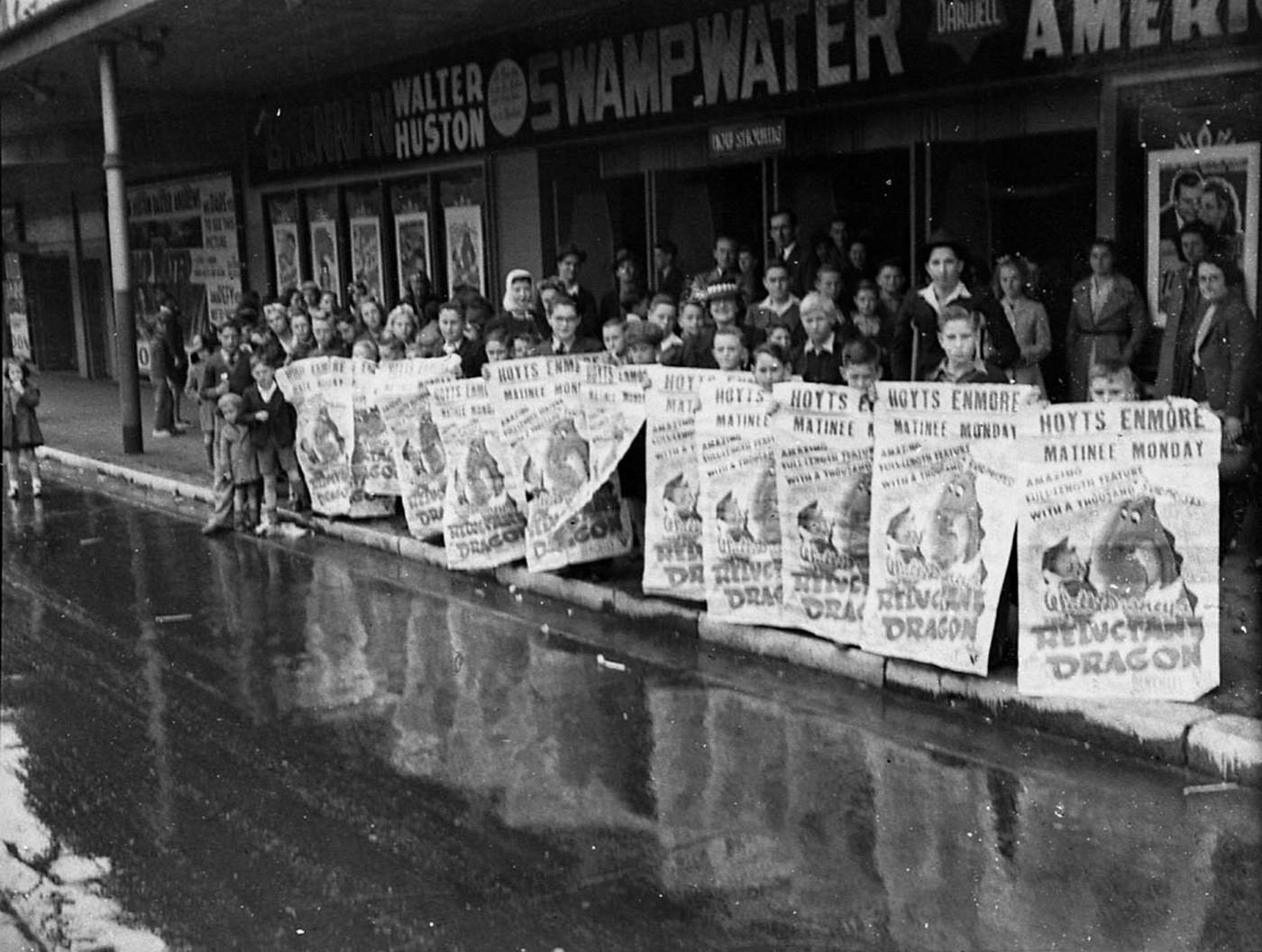
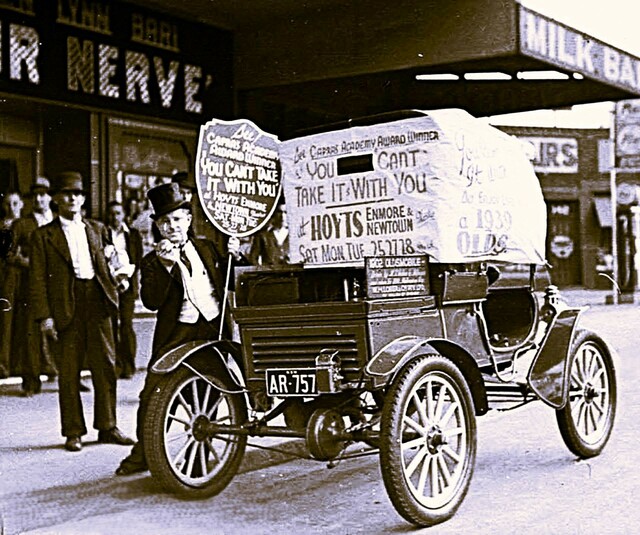
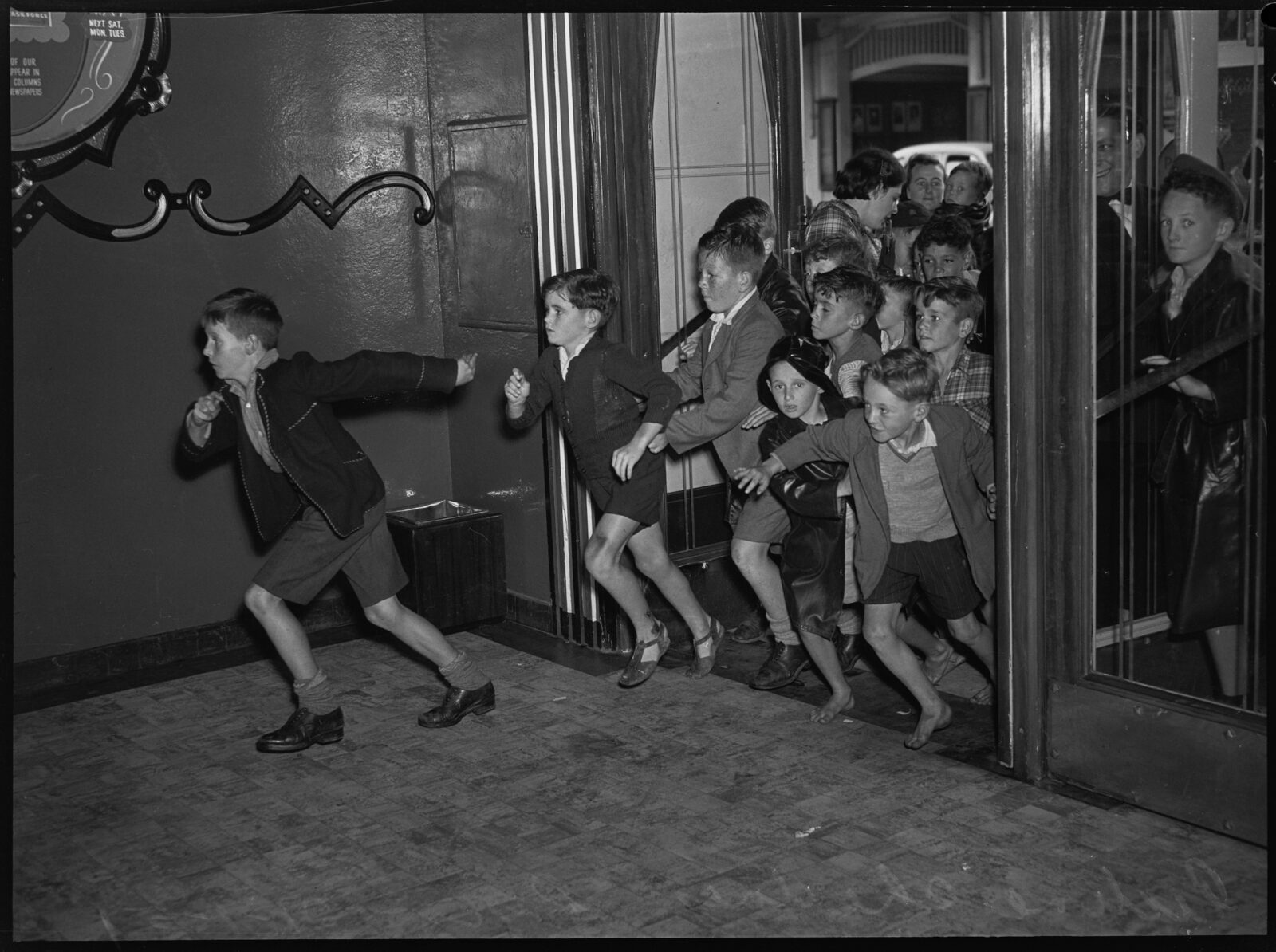
Through the golden age of cinema, the Enmore remains one of Newtown’s great picture theatres.
For generations of Inner West audiences, a night at the Enmore becomes part of the social and cultural life of the neighbourhood.
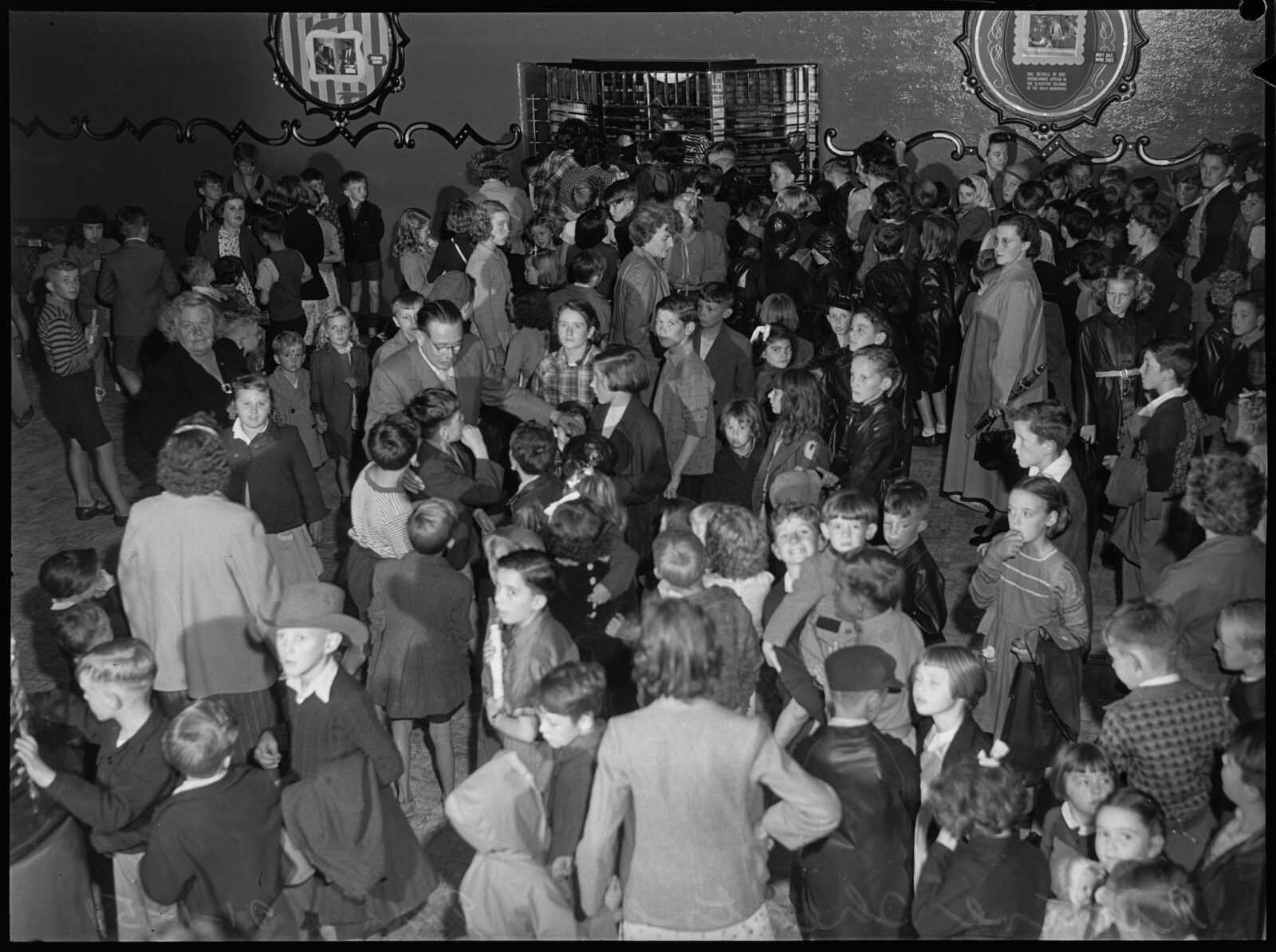
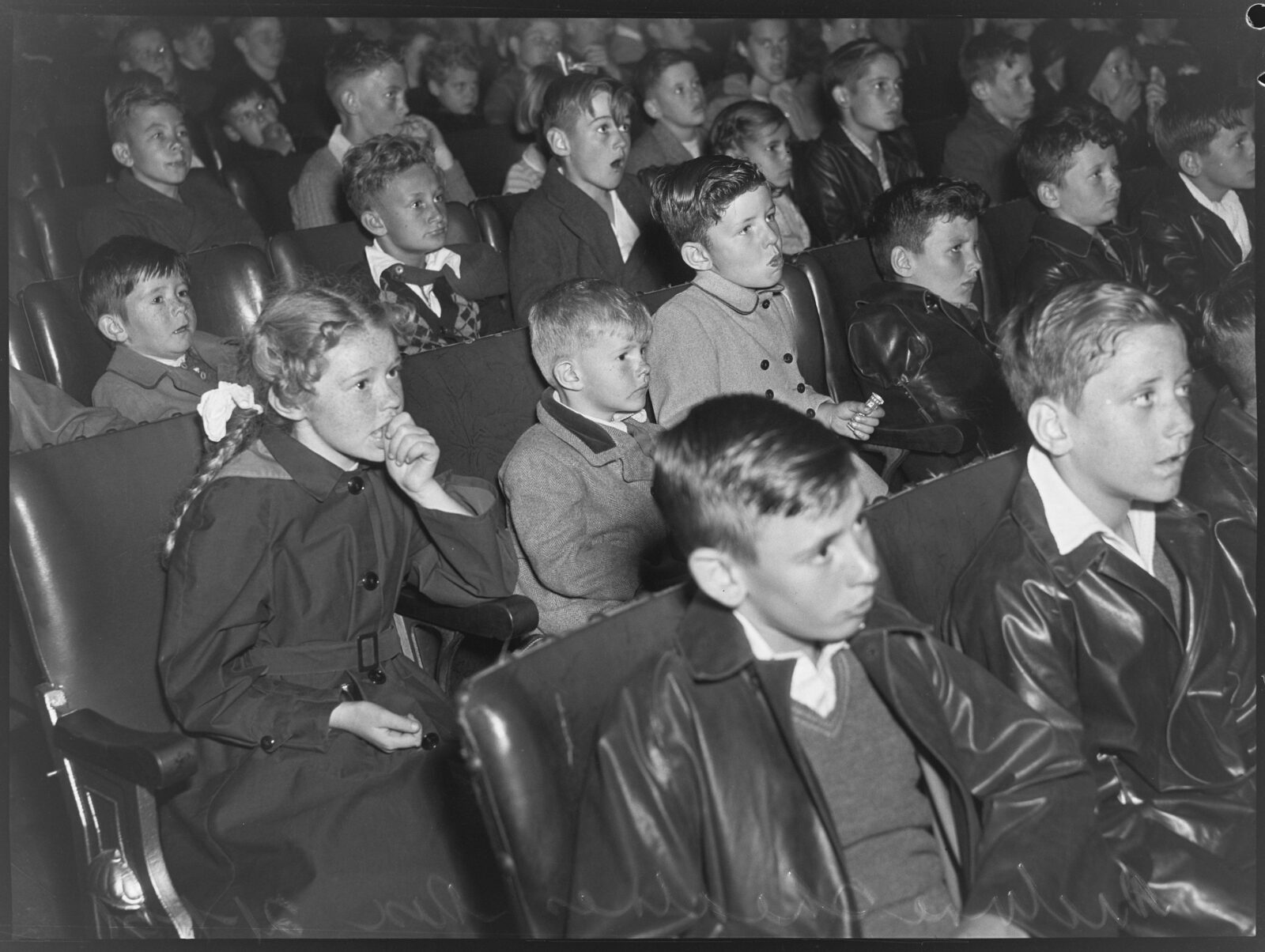
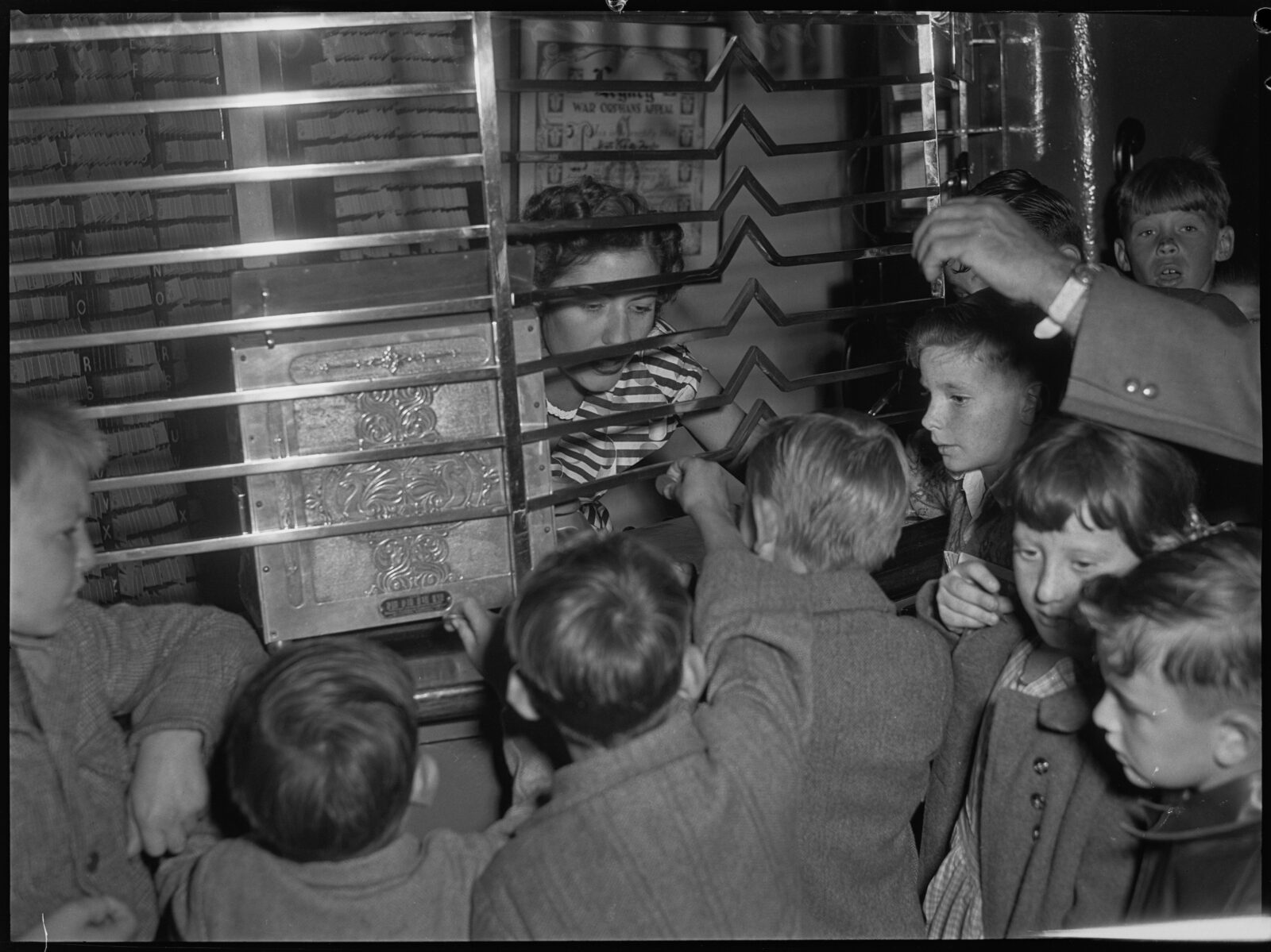
A Home for European and Classic Retrospective Film.
Under the Louis Film Company, the theatre becomes the Finos Theatre, specialising in Greek, Italian and other European films, alongside classic retrospective cinema.
The theatre becomes an important cultural gathering place for Sydney’s migrant communities, while live theatre and cultural performances begin to take a greater place on the Enmore stage.
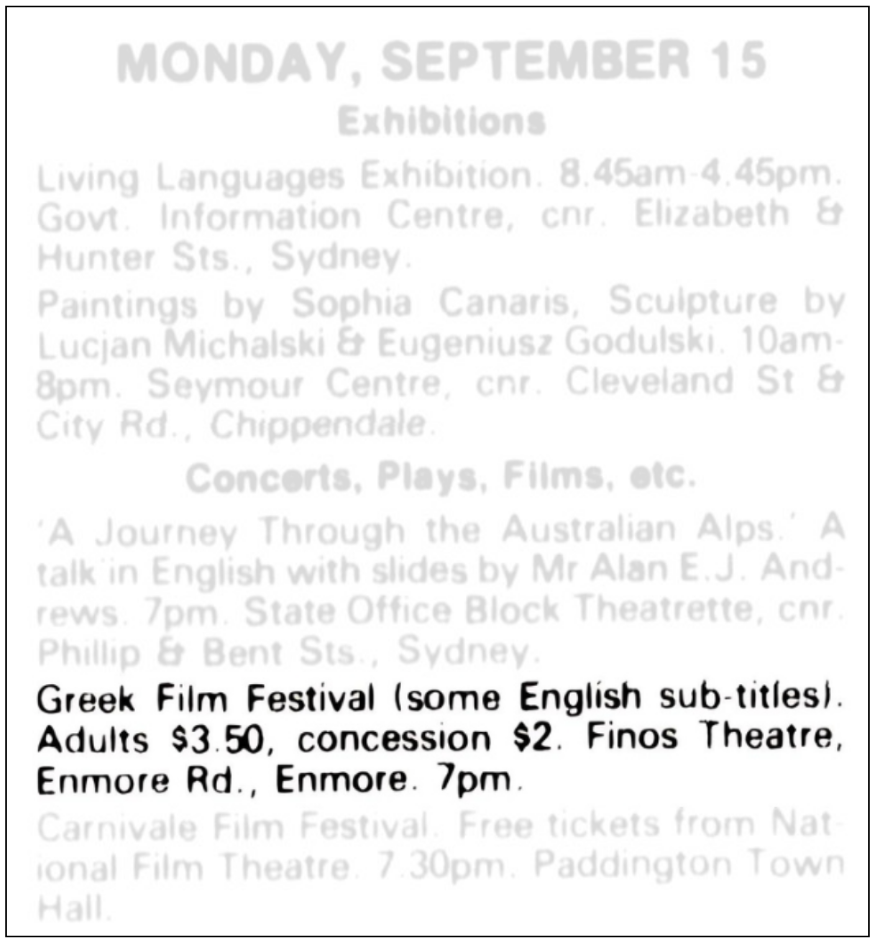
“The Greek film industry in Australia in the 50s, 60s and 70s was huge. A few sassy, Greek Australian business men, brought the world of Greek cinema into our faraway and homesick, diaspora community eager to keep in touch with the homeland.”
Greek Herlad
Live Music Takes Centre Stage
In 1986, the Eliades family acquired the Enmore Theatre, beginning its transformation into a dedicated home for live entertainment.
Recognising Sydney’s shortage of major live performance venues, the family undertook significant stage and production upgrades. The Angels were among the first contemporary acts to perform, marking the beginning of the Enmore’s modern live music era.
Soon after, Midnight Oil plays six consecutive sold-out shows — signalling the beginning of a new chapter for the Enmore.
World-Class Artists Take the Stage
To celebrate the Forty Licks tour, The Rolling Stones chose the Enmore Theatre for a one-off Sydney sideshow — a rare, intimate performance by one of the world’s biggest bands.
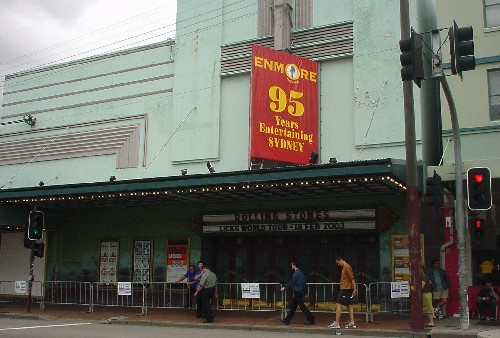
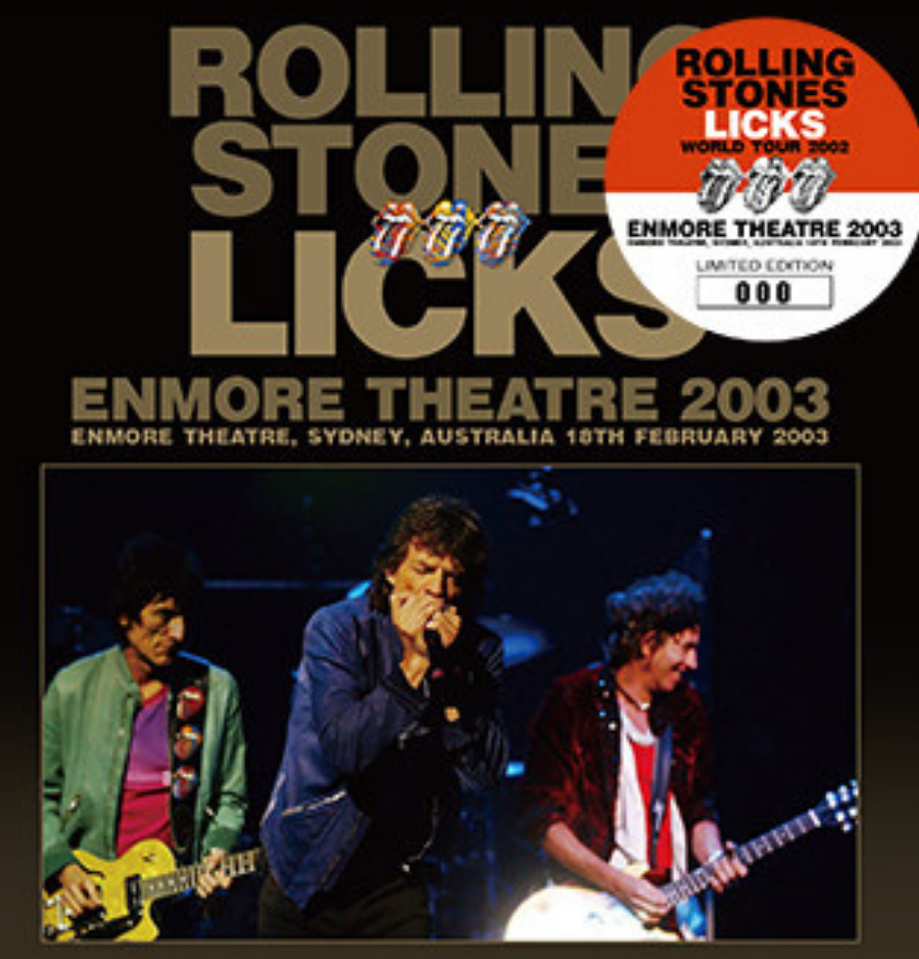
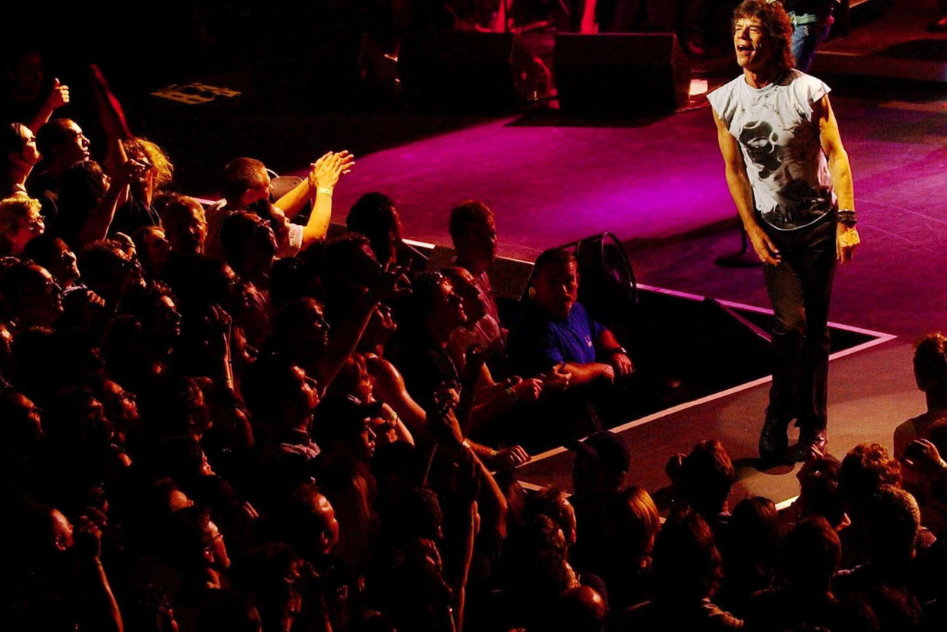
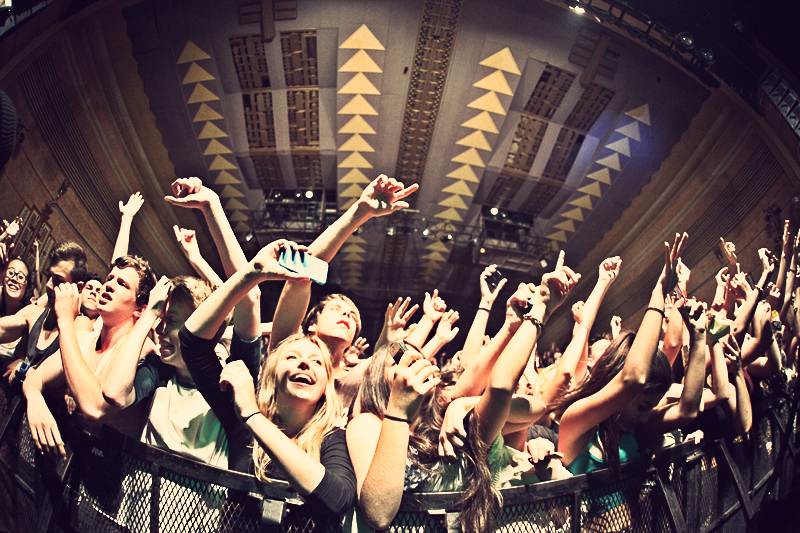
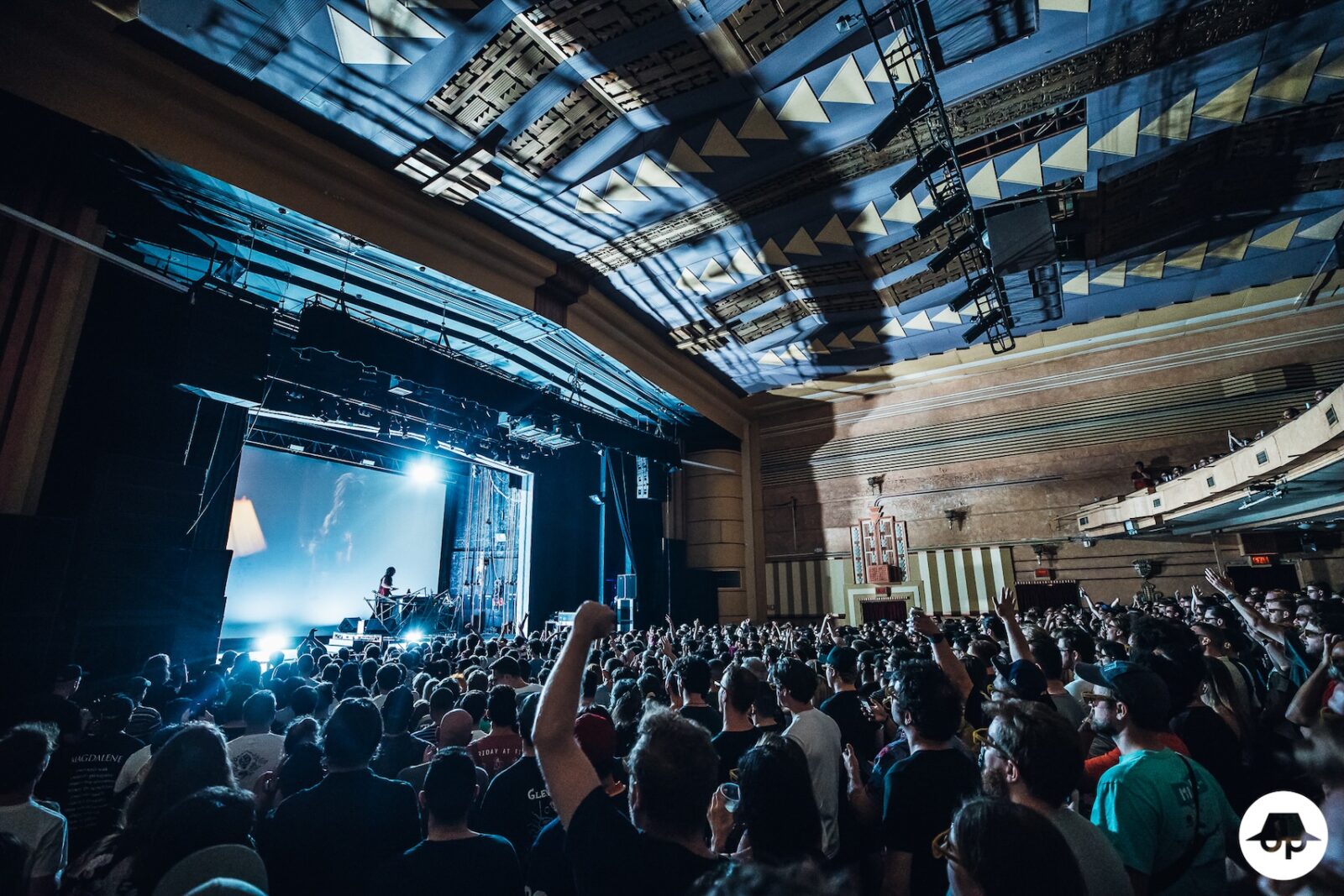
The Enmore cements its reputation as one of Sydney’s most distinctive live venues — large enough to host major international acts, yet intimate enough to bring audiences remarkably close to the stage.
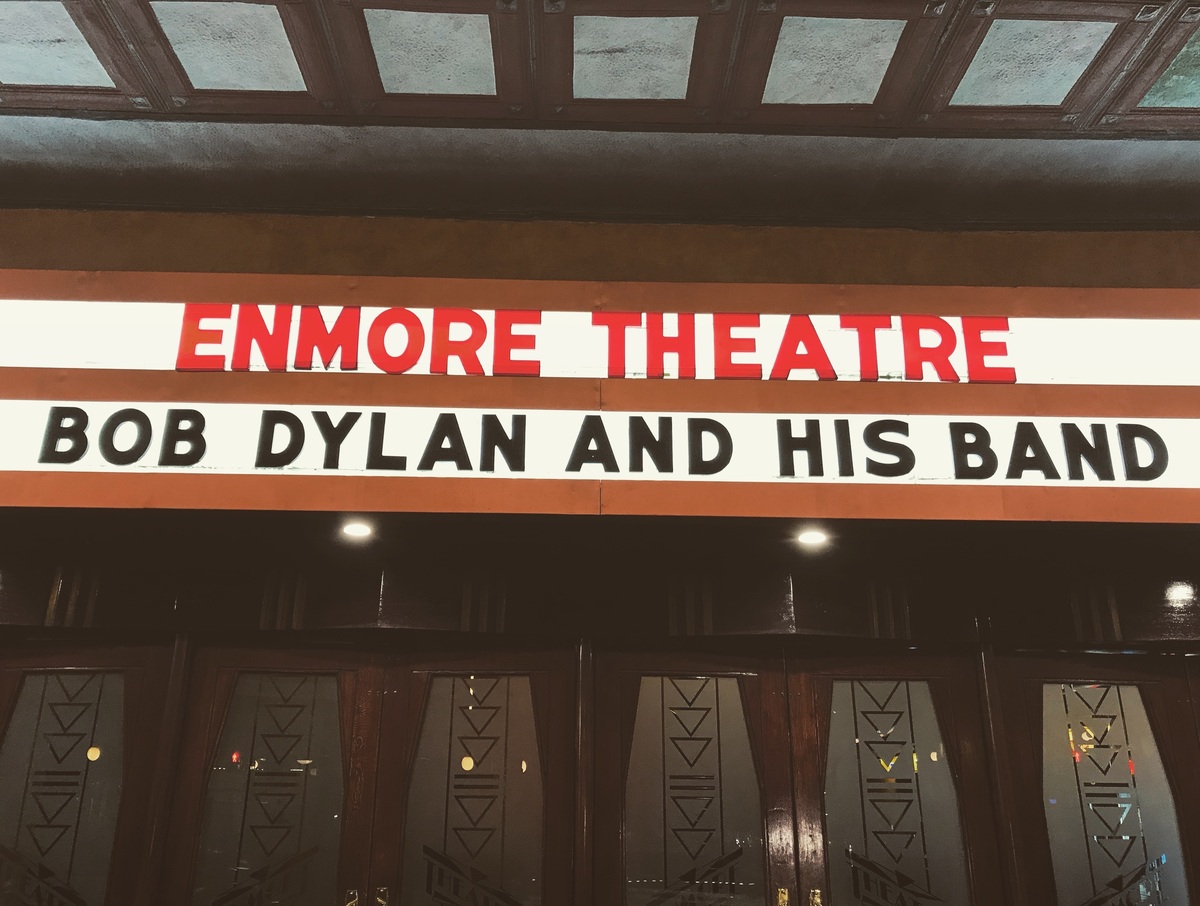
Across the decade, artists including Coldplay, Joe Cocker, Bob Dylan, Belinda Carlisle, Oasis, The Black Eyed Peas, Nick Cave, Missy Higgins, Yothu Yindi, Nick Cave, Amy Shark, Alicia Keys and many more performed at the Enmore, alongside major comedy, theatre and touring productions.
Curtain Call for Restoration
The pandemic saw the Enmore forced to close its doors. With the stage dark, it provided an opportunity to bring forward a planned restoration of the iconic venue.
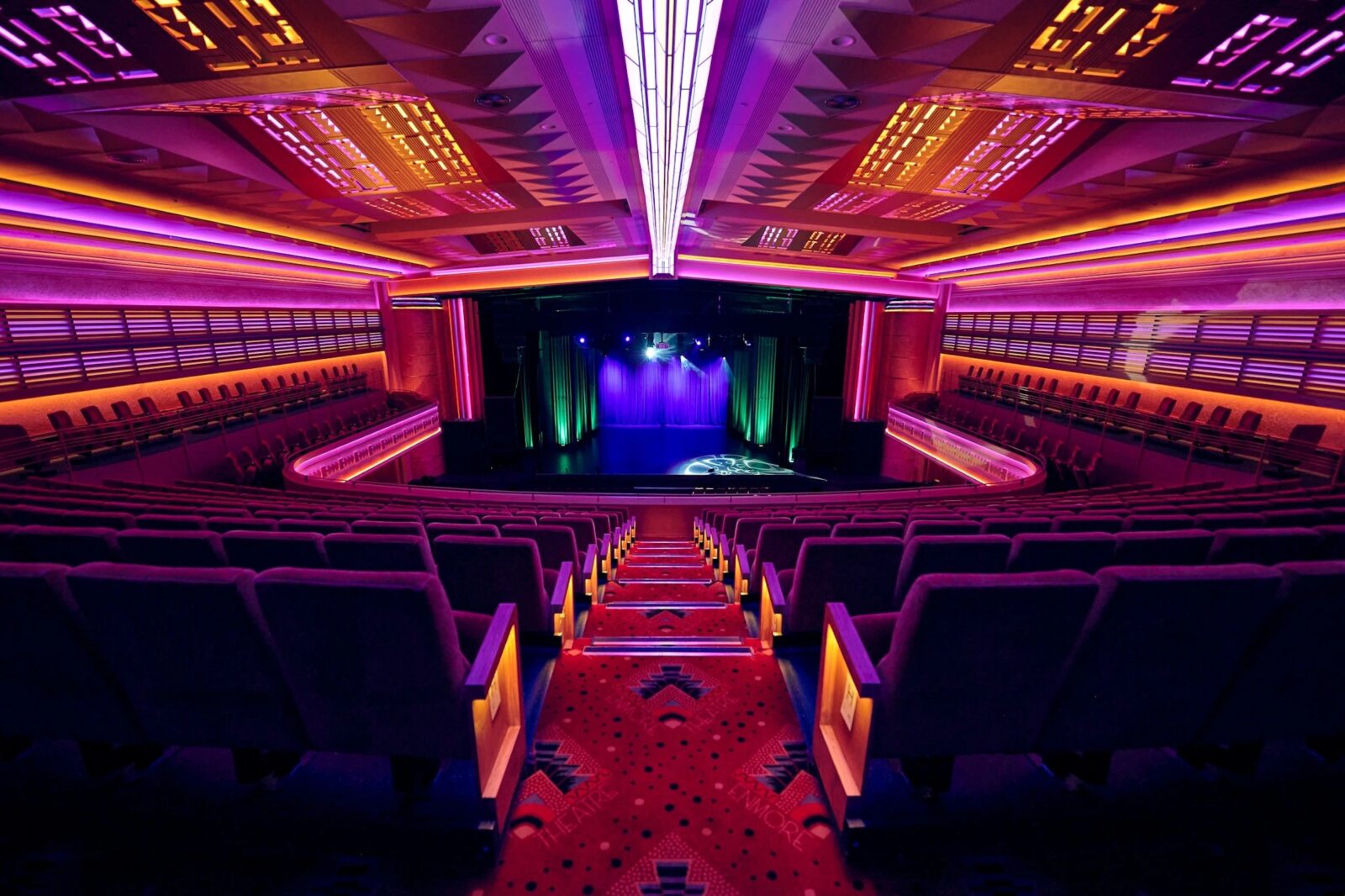
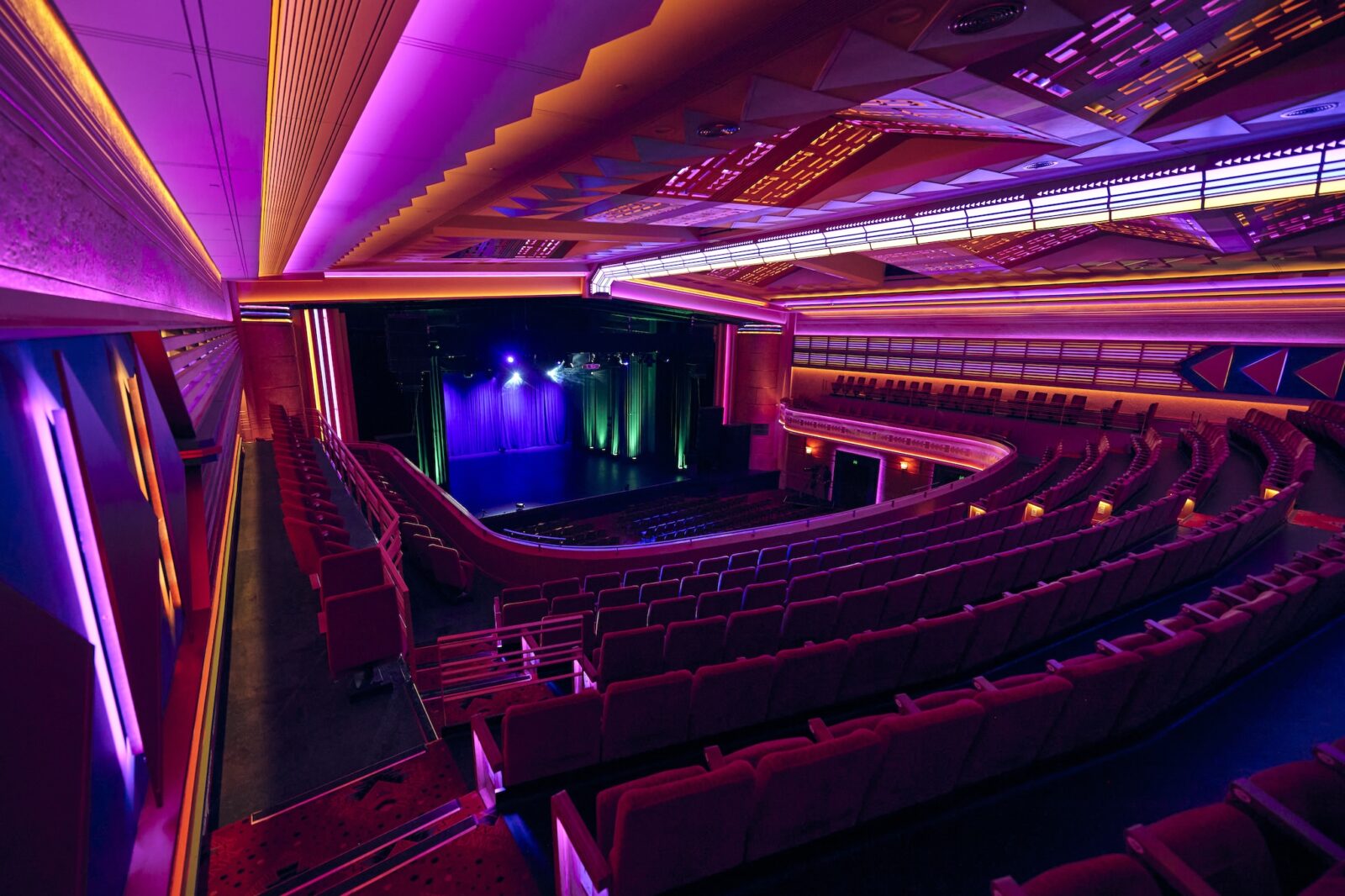
The restoration works included reinstating the side wing balconies in accordance with the original 1936 architecture, a full renovation of the elaborate art deco ceiling and its intricate lighting design, reinstatement of the original 24 metre art deco bomber light and upgrades to the building’s fire safety protection.
The new works also saw the instalment of two and a half kilometres of state-of-the-art LED strip lighting. The lighting can be computer programmed to synchronise with an artist or band’s performance resulting in a spectacular visual experience for the audience.
“The Enmore is the only theatre in Sydney from the Art Deco movement that remains in its original condition. It was therefore imperative that the restoration works remained true to the original style.”
Managing Director, Elia Eliades, who has owned and operated the historic theatre since the mid-1980s said.
Decided by You
That history now extends beyond the theatre itself.
The Enmore Theatre and Inner West Council have partnered to create Australia’s first people-driven Walk of Fame dedicated to live performance.
Bronze plaques along Enmore Road will honour the artists, performances and moments that have shaped more than a century of Enmore Theatre history — with audiences helping decide who becomes part of its lasting legacy.